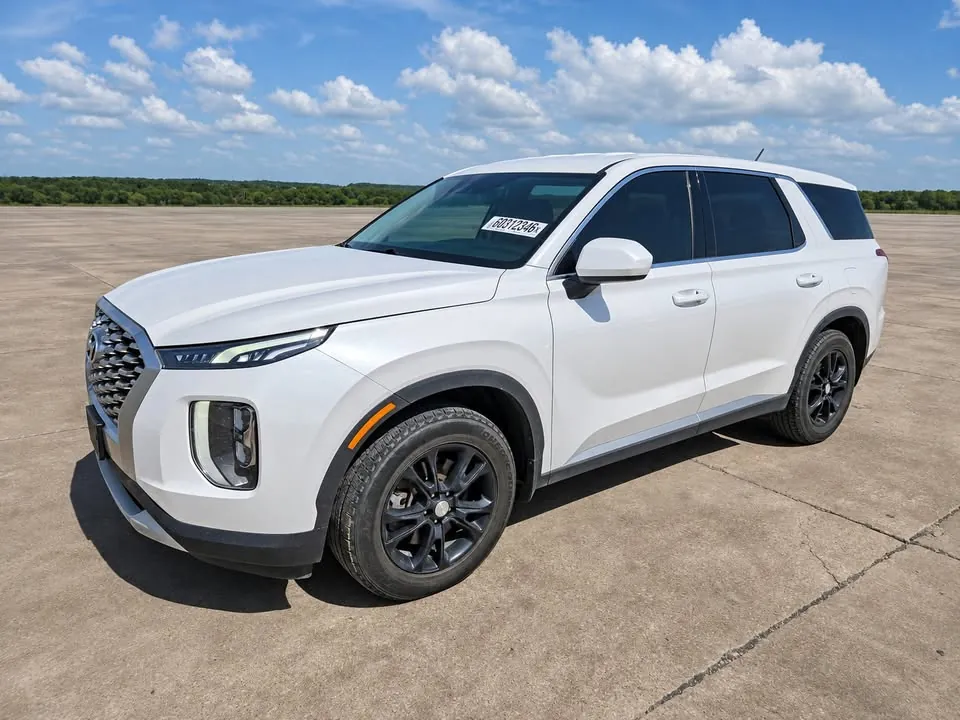
 2021 Hyundai Palisade SE AWD
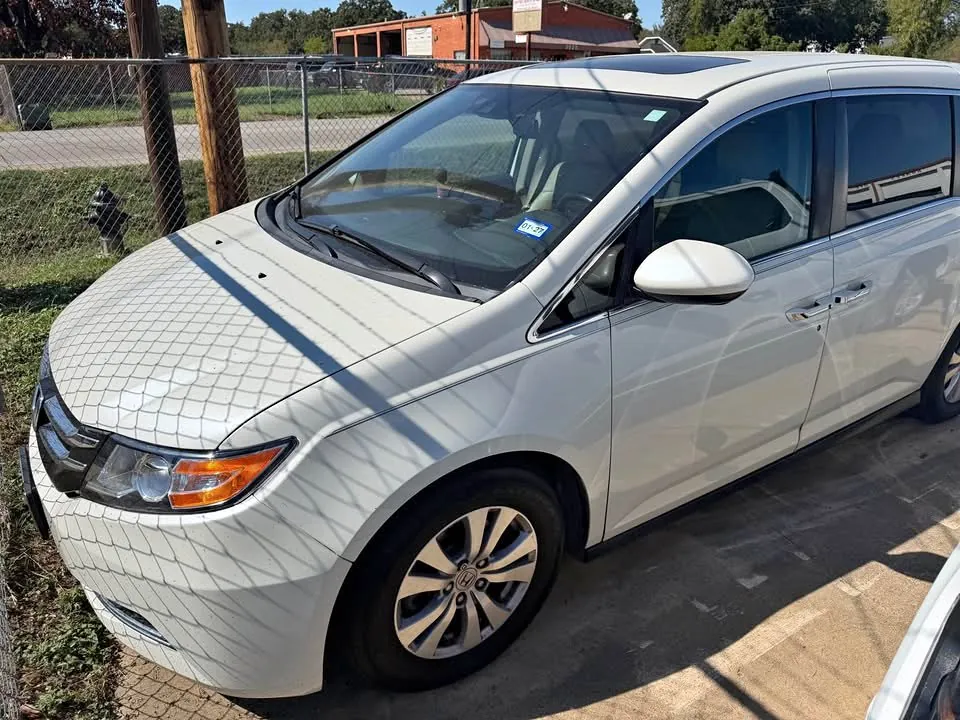 2015 Honda Odyssey EX-L
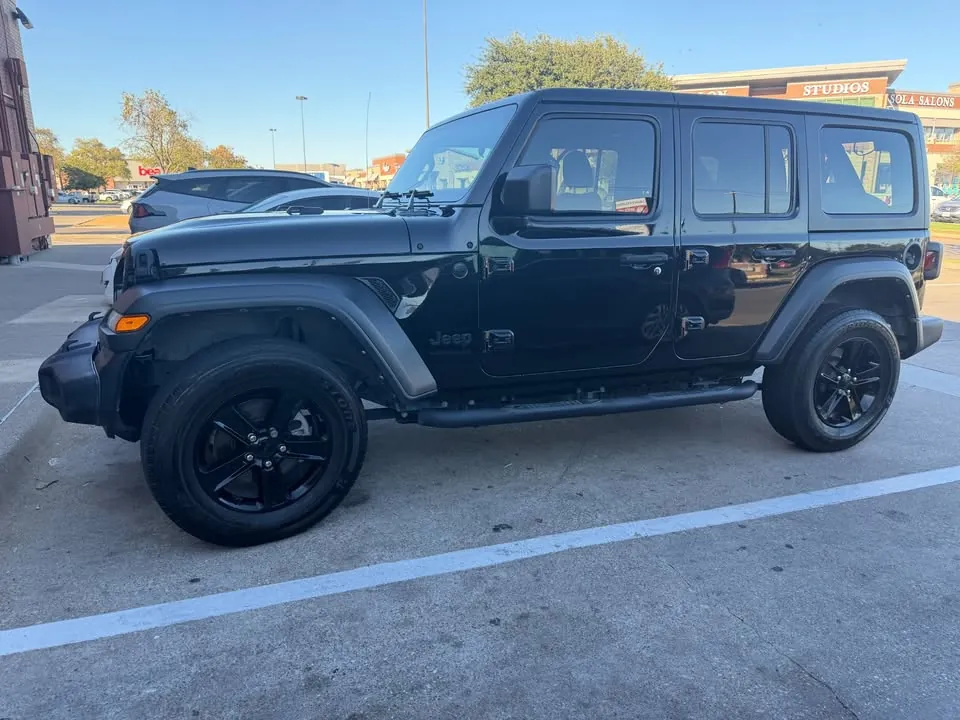 2021 Jeep Wrangler Unlimited
Costs and plans · Dallas-Fort Worth
Long-term car rental vs leasing a car: what is the difference?
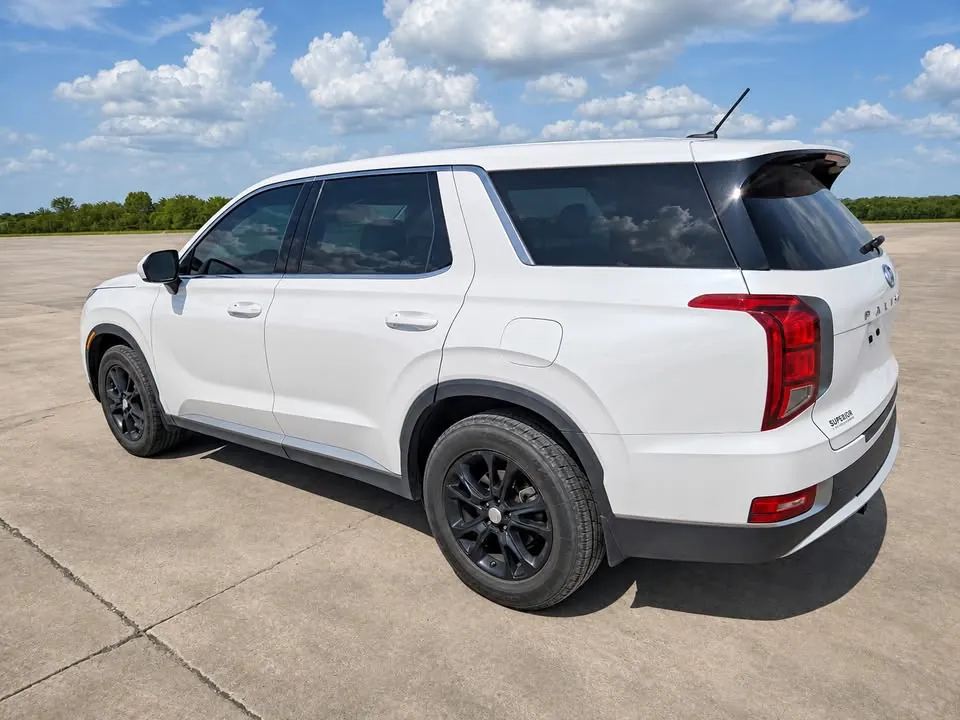
2021 Hyundai Palisade SE AWD from our rental fleet in Frisco, Texas. Photo: Ace Auto Rentals & Sales.
In short
A lease is a finance contract, usually on a new car, where you pay money at signing, handle service and owe charges for extra miles, excess wear and ending early. A long-term rental from us is a set monthly price on a car we own, on a 1, 2 or 3 year contract, with maintenance at our shop and registration included.
What is the difference between a long-term rental and a lease?
Both let you drive a car you do not own for a set time and give it back at the end. The difference is in who carries the costs and the risk. With a lease, you usually take a new car through a dealer and a finance company, pay money at signing, keep up the maker's service schedule yourself, and owe charges for extra miles, excess wear and ending early. With a long-term rental from us, you pick a car we already own, maintenance at our own shop and registration are included, and you pay a set monthly price on a 1, 2 or 3 year contract.
In short: a lease is a finance product built around a new car. A long-term rental is a service built around a car that is ready to drive. Which is better depends on whether you want a brand-new car or a predictable bill with fewer moving parts.
How do they compare line by line?
The table below sets a typical dealer lease beside our long-term rental, point by point, so you can see where the costs and duties sit.
| Question | Typical lease | Our long-term rental |
|---|---|---|
| What car do I get? | Usually a new car you choose and configure | A car we have now: 2021 Palisade, 2015 Odyssey or 2021 Wrangler |
| How long? | A multi-year term set in the lease | 1, 2 or 3 year contracts, or month to month |
| Due at the start | Amount due at signing, itemized in the lease | $500 refundable deposit plus the first month's rent |
| Maintenance | You follow the maker's schedule and pay for it | Done at our own shop, included |
| Registration | Depends on the lease; ask the lessor | Included |
| Miles | Annual limit, often 15,000 or less, extra miles charged | 1,250 a month (15,000 a year) included; ask us about more |
| Wear and damage | You pay for excess wear and missing equipment | Ask us; we will tell you before you sign |
| Ending early | May bring a substantial early termination charge | Ask us; we will tell you before you sign |
| Insurance | Coverage that meets the lessor's standards | Your own full-coverage insurance |
| At the end | Return it, or buy it if the lease allows | Return it; we also sell cars if you want to own one |
Read each row as a cost or a duty that lands on you or on the company. Where a lease leaves something to you, such as service or wear, put a number on it before comparing monthly prices.
What does a lease ask of you that a rental does not?
The Federal Trade Commission puts it plainly: with a lease, you pay to drive the car, not to buy it. Its consumer guidance points to the obligations that come with that:
- A mileage limit. The FTC says the annual limit in most standard leases is 15,000 miles or less, and going over usually means a fee when you return the car.
- Excess wear and damage. You are responsible for wear beyond normal use and for any missing equipment.
- Service on schedule. You must keep up the maker's maintenance schedule.
- Insurance standards. You carry insurance that meets the leasing company's requirements.
- Early termination. Ending a lease early can bring a substantial charge.
Some of these exist in any agreement where you drive someone else's car. The difference with us is that maintenance happens at our shop as part of the price, and we explain wear, extra miles and early ending before you sign, so nothing arrives as a surprise at the end. Our guide on who pays for maintenance and repairs covers the service side in detail.
What paperwork protects you on a lease?
Federal rules require leasing companies to spell out the numbers. The Consumer Leasing Act, carried out by the CFPB's Regulation M, covers consumer leases with an initial term of more than four months. For a car lease, the disclosures include:
- The amount due at signing, itemized, and how it is paid.
- The gross capitalized cost and residual value, which drive the monthly payment.
- A notice about early termination and a notice about excess wear and use.
- The charge for excess mileage.
Read these before you sign. A low advertised payment can sit on top of a large amount due at signing. With our rentals, the money at the start is simple: a $500 refundable deposit plus the first month. Our guide on how a refundable deposit works explains the deposit.
Is a rental price higher than a lease payment?
It can be, and it can also be the cheaper total. A lease payment on a new car is only part of the cost: add the amount due at signing, maintenance, registration and any end-of-lease charges. Our price already covers maintenance at our shop and registration, so compare like with like.
Here are our full totals before tax, so you have real numbers to set beside any lease quote:
- 2021 Hyundai Palisade SE AWD, 3-year contract: $525 a month in year one, $470 in year two, $425 in year three. Total $17,040, about $473 a month on average.
- 2015 Honda Odyssey EX-L, 3-year contract: $420, $370, then $325. Total $13,380, about $372 a month on average.
- 2021 Jeep Wrangler Unlimited, 2-year rental: $575 a month. Total $13,800.
On our 2 and 3 year contracts the monthly price steps down each year you stay. Plus applicable tax; we show it on your quote. For more on how the plans compare, see month to month versus a contract.
Who should rent long term, and who should lease?
A lease tends to suit you if:
- You want a brand-new car with the latest features.
- You are fine with money due at signing and handling service yourself.
- You are confident about your miles and your timeline for the full term.
A long-term rental tends to suit you if:
- You want one monthly price with maintenance and registration already handled.
- You need a family car with eight seats now, not after a factory order.
- You would like the option of a shorter commitment, even month to month.
- You are new to Texas and want to settle in before taking on a finance contract. See a car for your first months after moving to DFW.
If owning is the real goal, also read rent monthly or buy a used car. Ownership changes the math again.
What happens when the term ends?
The end of the term is where leases most often cost people money they did not plan for, so walk through it before you start.
At the end of a lease, the FTC notes you return the car unless your lease lets you buy it. Before the return, the car is usually checked for mileage over the limit, wear beyond normal use and missing equipment. Each of those can turn into a charge, which is why the Regulation M disclosures carry notices about excess wear and mileage. If you want to keep the car, the purchase price is set by the lease terms, so read that part closely.
At the end of a rental with us, you return the car. A few habits make that easy on any agreement:
- Photograph the car at pickup and at return, inside and out, with dates. Our pickup inspection checklist shows what to capture.
- Keep an eye on the odometer each month against your 1,250-mile allowance.
- Report damage when it happens, not at the end.
- Plan your next car a month or two ahead, so you are not forced into a rushed decision.
If you decide you would rather own, we also sell cars, and you can ask us what is available as your term winds down.
What should I ask before choosing either one?
Use this list with a dealer and with us. The answers decide the real cost:
- What is the total I will pay over the full term, including what is due at the start and tax?
- How many miles are included, and what is the charge or rule for extra miles?
- Who pays for routine service and repairs, and where is it done?
- Who pays registration each year?
- What counts as excess wear, and how is it measured at return?
- What happens if I need to end early?
- What insurance limits are required? Get a quote from your insurer for the exact car before you commit.
When you come to us, bring a valid driver's license and proof of full-coverage insurance. Our how it works page sets out the steps.
How Ace Auto Rentals helps
We are a family-owned business that has served Dallas-Fort Worth since 1987, and our cars are kept in Frisco, Texas. Our 1, 2 and 3 year car rental contracts give you a lease-length plan without a car payment to finance. Maintenance at our own shop, registration and 1,250 miles a month are included, and the price goes down each year you stay.
You can look at the 2021 Hyundai Palisade SE AWD or the 2015 Honda Odyssey EX-L for eight seats, and more cost guides sit on our costs and plans page. If you have a lease quote in hand, call (917) 539-0421 and we will set our total beside it.
When you are ready, compare the yearly prices on our long-term rental page or ask about this car on a contract. We will send the totals with tax so you can decide. You can also ask for a contract quote for a specific car and term.
Questions people ask next
Is a long-term car rental the same as a lease?
No. Both give you a car for a set time without owning it, but a lease is a finance product, usually on a new car, with money due at signing and charges for extra miles, wear and ending early. Our long-term rental is a set monthly price on a car we own, with maintenance and registration included.
Do I need good credit to rent a car long term?
We do not publish a credit policy on this page. What every plan needs is a valid driver's license, full-coverage insurance, and a $500 refundable deposit plus the first month's rent. If you have a question about your own situation, ask us and we will tell you before you sign.
Can I buy the car at the end of a long-term rental?
Leases sometimes include a purchase option, and the FTC notes you return the car at the end unless the lease lets you buy it. We also sell cars, so if you would like to own a car later, ask us about what is available and we will talk it through with you.
How many miles does a lease allow compared with a rental?
The Federal Trade Commission says the annual mileage limit in most standard leases is 15,000 or less, with a fee for going over. Our plans include 1,250 miles a month, which is 15,000 a year. If you expect to drive more, ask us before you sign and we will tell you what applies.
Which costs less over three years, a lease or a long-term rental?
It depends on the car and the lease terms. Add up the full lease cost: amount due at signing, all payments, service, registration and likely end-of-lease charges. Then compare it with our total, such as $13,380 for the Honda Odyssey or $17,040 for the Hyundai Palisade over three years, before tax.