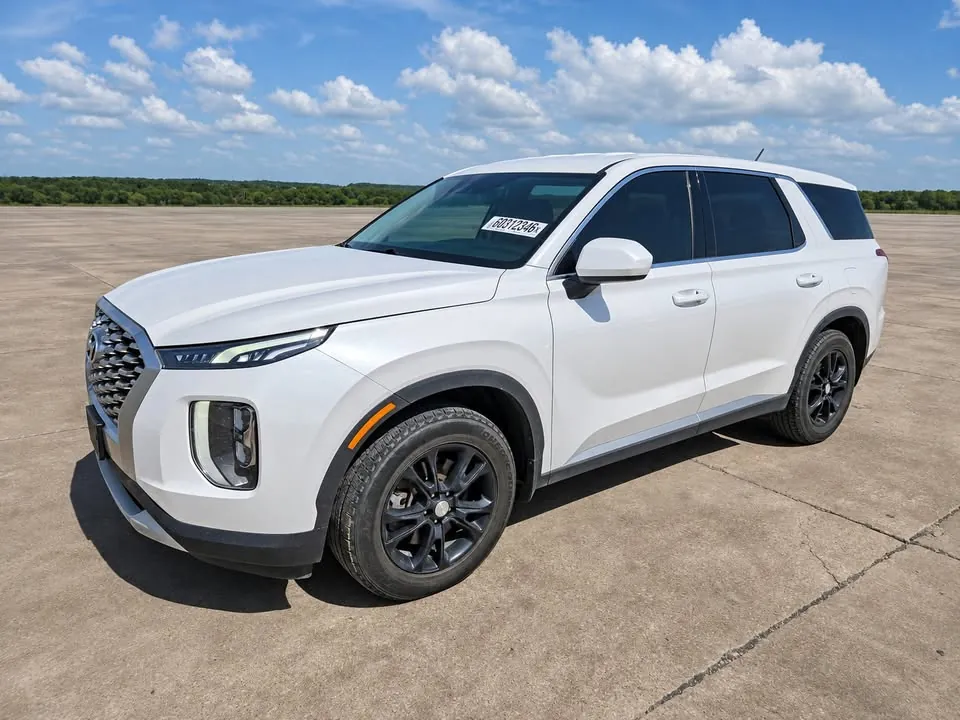
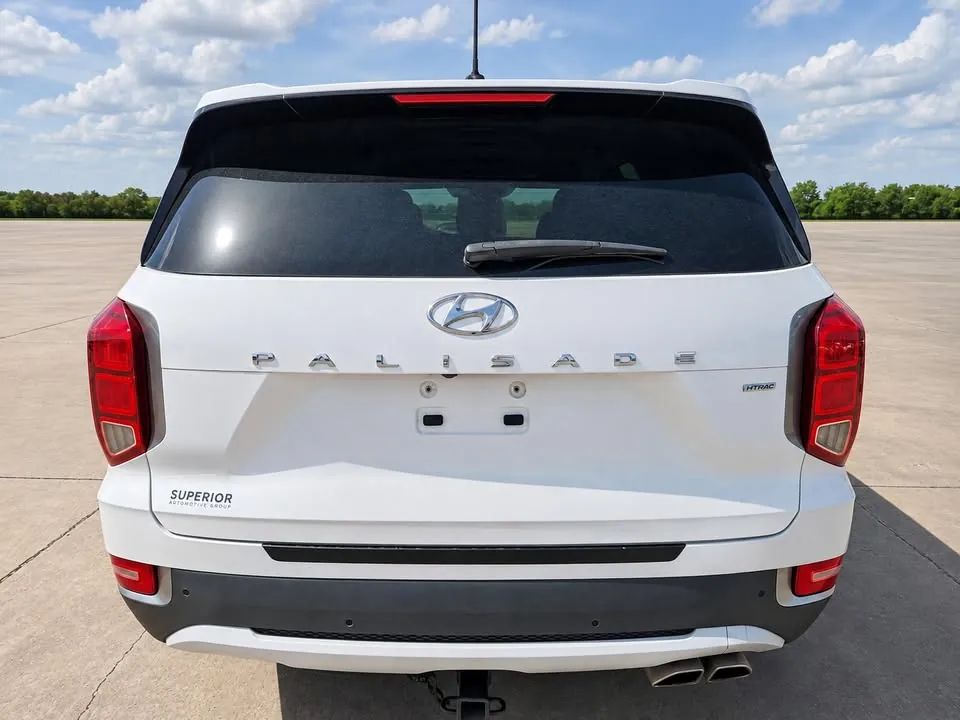
 2021 Hyundai Palisade SE AWD
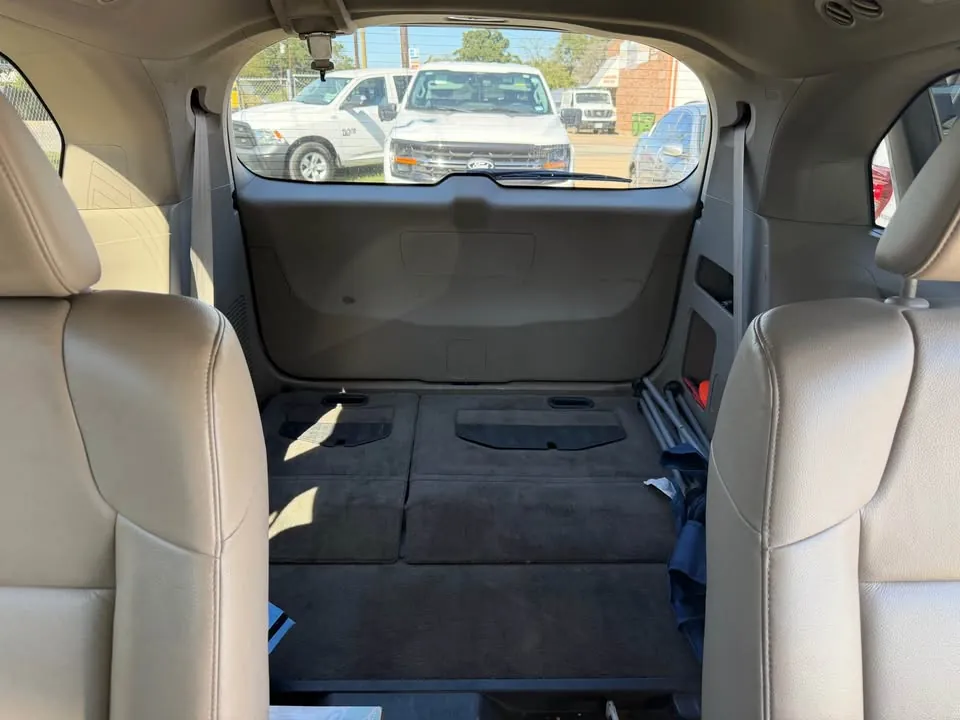
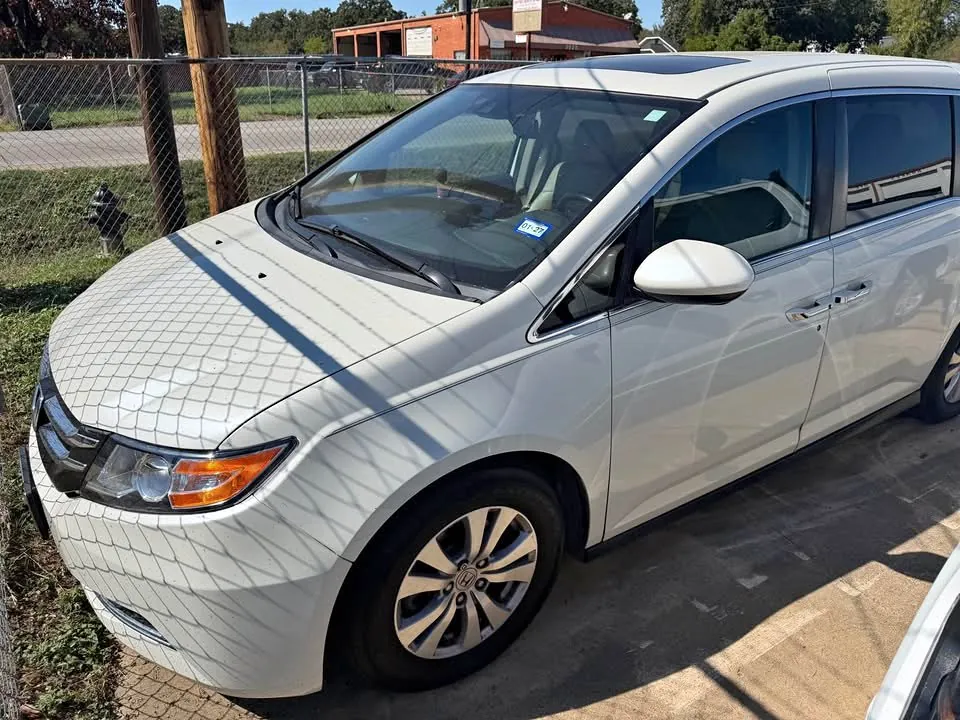 2015 Honda Odyssey EX-L
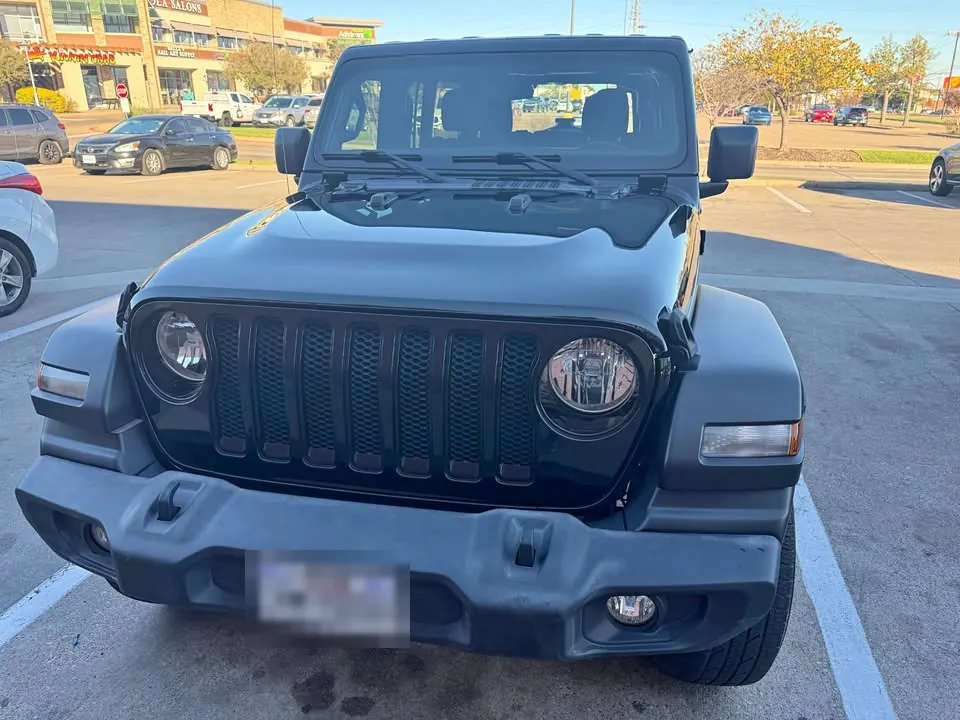
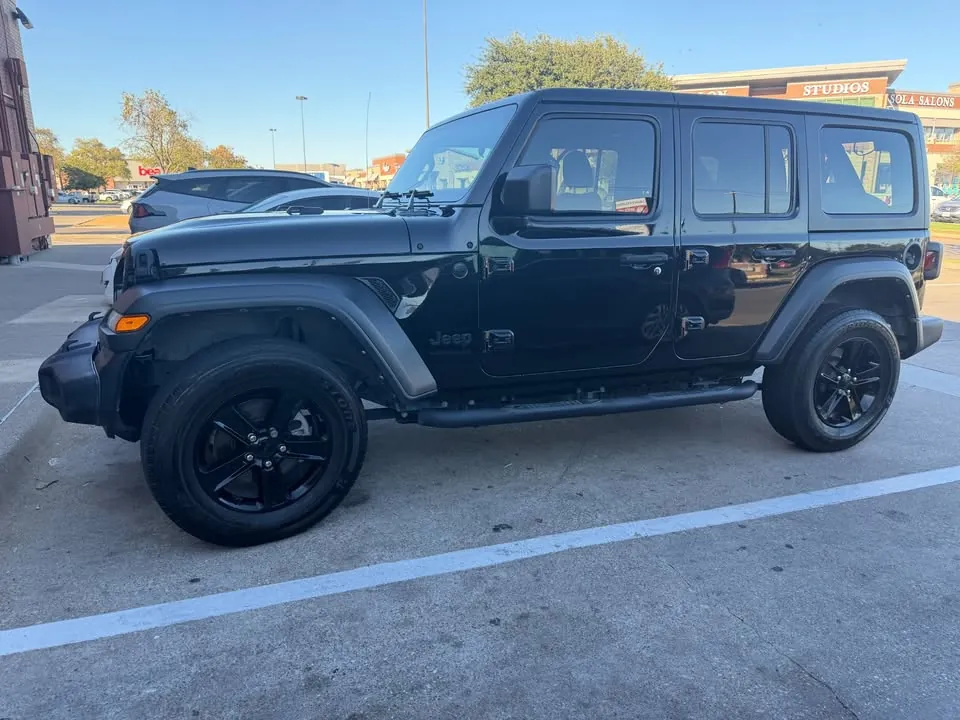 2021 Jeep Wrangler Unlimited
 2010 Honda Accord
Driving in DFW · Dallas-Fort Worth
What to do after an accident in a rental car in Texas
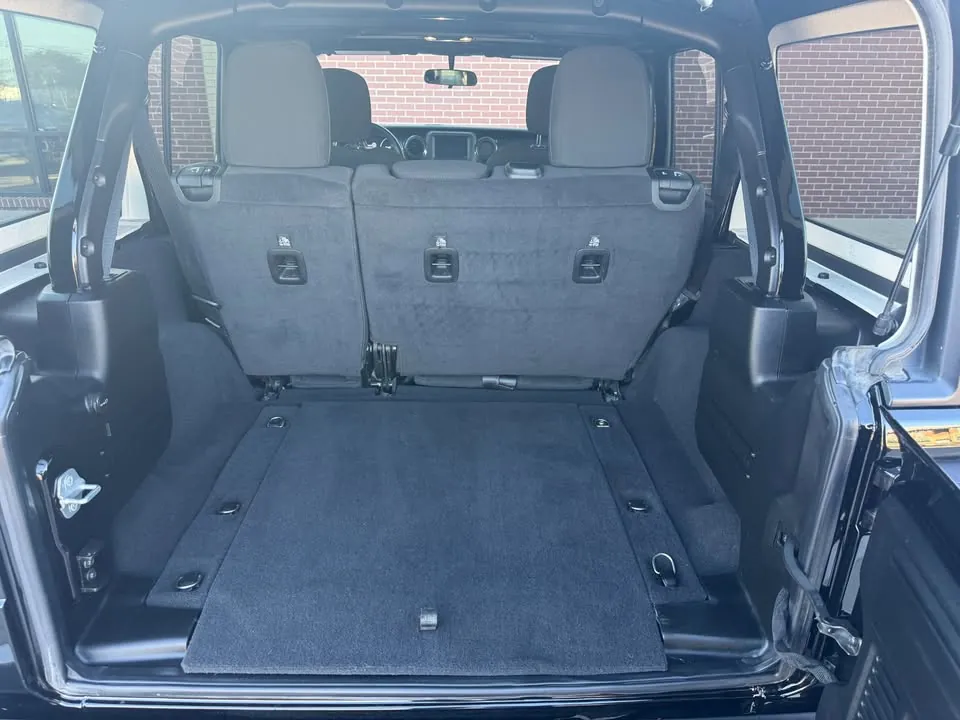
2021 Jeep Wrangler Unlimited Sport Altitude 4x4 from our rental fleet in Frisco, Texas. Photo: Ace Auto Rentals & Sales.
In short
After a crash in a rental car in Texas, stop, check for injuries, move out of traffic if the car can be driven safely, and exchange names, addresses, plate numbers and insurance details. Call the police if anyone is hurt or a car cannot be driven. Then call the rental company before any tow or repair, and report the crash to your own insurer.
- What should I do right after an accident in a rental car in Texas?
- What does Texas law require me to do at the scene?
- When do I have to call the police, and when should I call anyway?
- What information should I collect before I leave?
- Who do I call, and in what order?
- Who pays for the damage to the rental car?
What should I do right after an accident in a rental car in Texas?
Do the same things you would do in your own car, plus one extra call. Stop, check for injuries and call 911 if anyone is hurt. Move the car out of traffic if it can be driven safely. Exchange names, addresses, insurance and plate details with the other driver, photograph everything, and call the police when the law requires it. Then call the rental company before the car is towed or repaired, and report the crash to your own insurer, because on a long-term rental your full-coverage policy is the insurance that responds first.
Many crashes are minor: a tap at a light on Preston Road, a scrape in a school pickup line, a mirror clipped in a parking lot. Even then, the steps below protect you, your deposit and your insurance claim. Save this page to your phone, or keep a printed copy in the glove box with your insurance card.
What does Texas law require me to do at the scene?
Texas Transportation Code chapter 550 sets out the duties of every driver in a crash, whether the car is yours or rented. The table below sums up the main ones by situation; the section numbers let you or your insurer look up the exact wording.
| Situation | What the law requires | Section |
|---|---|---|
| Any crash that damages a vehicle | Stop at or as close as possible to the scene without blocking traffic more than necessary, return if you did not stop, and stay until you have exchanged information | 550.022 |
| Crash on a freeway where every car can still be driven normally and safely | Move the car as soon as possible to a frontage road, the nearest suitable cross street or another suitable spot | 550.022 |
| Another driver or an injured person is involved | Give your name and address, the car's registration (plate) number and your liability insurer; show your license if asked; help anyone injured, including arranging a ride to a doctor or hospital when clearly needed or requested | 550.023 |
| You hit a parked, empty car | Stop, then find the owner or leave a note where it is plainly visible with the driver's and owner's names and addresses and what happened | 550.024 |
| Someone is hurt or killed, or a car cannot be driven normally and safely | Report the crash immediately by the quickest means: inside a city to the local police department, otherwise to the sheriff or the nearest DPS office | 550.026 |
| An officer or the other driver asks for proof of insurance | Show it; an image on your phone from your insurer is accepted | 601.053 |
Read down the first column until you find your situation; the duties in the earlier rows apply in every case where a car was damaged. On a rental, the "owner" in a note left on a parked car is the rental company, so add our name and number next to yours.
When do I have to call the police, and when should I call anyway?
Under section 550.026 you must report immediately if anyone is injured or killed, or if a vehicle cannot be driven normally and safely (for example, it needs a tow). Inside Frisco, Plano, Dallas or any other city, that means the local police department; 911 is the quickest way when someone is hurt.
For a small fender bender with no injuries and drivable cars, the law does not require a police report, but the Texas Department of Insurance says to call the police if someone is hurt or if the other driver leaves. We would add a few more reasons to call in a rental:
- The other driver will not share insurance details, or the details do not look right.
- You disagree about what happened. An officer's report is a neutral record.
- The other driver seems impaired.
- The damage looks larger than a scratch. A report makes the claim easier to document.
What information should I collect before I leave?
TDI's checklist after a wreck is the one to follow, and your phone camera does most of the work:
- The other driver's license and insurance card. Photograph both, front side.
- Every vehicle involved, including license plates and close-ups of the damage.
- The scene: street signs, lane markings, traffic lights and the angle of the road.
- Witnesses: names and phone numbers. People leave quickly, so ask first.
- Notes: the location, time, weather and what happened, in your own words, written while it is fresh.
- The officer's name and report number, if police came.
Keep your own statements short and factual. Share what the law requires and what the other driver needs to file a claim, and leave fault to the insurers. The photos you took at pickup help here too, because they show which marks were already on the car; our pickup inspection checklist explains how to take them.
Who do I call, and in what order?
- 911, if anyone is hurt or the scene is dangerous.
- The police, when section 550.026 requires it or one of the reasons above applies.
- The rental company. For a car from us, call before you agree to a tow destination or any repair. The car belongs to us, and we need to know where it is and what happened.
- Your own insurer, to report the crash. TDI says to report to your own company even if the other driver's insurer will be paying, and to get the name and phone number of the adjuster on your claim.
- Your doctor, if you feel any pain later. TDI says to keep medical records and bills for your insurer.
Who pays for the damage to the rental car?
It depends on who caused the crash and on your own policy. That is exactly why every rental with us requires full-coverage insurance, and our guide on insurance for a monthly rental in Texas explains what that should include.
- If the other driver was at fault: TDI says their insurer should pay for repairs, medical bills and a rental car. If that insurer refuses or pays too little, you can file with your own insurer, which will try to recover the money, including your deductible.
- If you were at fault: your own policy is the one that responds. Collision coverage pays for damage to the car you were driving if your policy extends to it, minus your deductible. TDI notes that policies differ on whether they cover damage to a rental, so call your agent before you rent, not after a crash.
- If the other driver had no insurance or drove away: TDI says uninsured or underinsured motorist coverage may pay for repairs and a rental car, and medical payments or personal injury protection may pay medical bills.
Questions about your deposit or what happens to the agreement while the car is in a body shop are specific to each rental. Ask us, and we will tell you before you sign. Our guides on the refundable deposit and Texas minimum insurance vs full coverage explain why the minimum is not enough for a rental.
What if the car cannot be driven after the crash?
TDI says that if your car cannot be driven, the police will call a tow truck, and in your own car you can choose the storage lot or body shop. In a rental, call us before you choose. Taking a car we own to an unknown lot can add storage charges and delays that nobody wants. Stay safe while you wait: get everyone out of traffic and away from the car if you are on a busy road.
Take your belongings with you: phone chargers, child car seats, garage openers, toll statements and anything in the trunk. If the car has CarPlay or Android Auto, the FTC recommends clearing your phone's data from a rental car's connected systems before you hand it back, and the same applies to a car that is going to a shop.
What paperwork follows in the days after?
- The police report. If an officer investigated, the crash report (form CR-3) can be bought from TxDOT's Crash Report Online Purchase System: $6 for a regular copy, $8 for a certified one. Send a copy to your insurer and to us.
- Your own record if police did not come. TxDOT no longer accepts or keeps the driver's crash report form (CR-2). It says drivers in a crash not investigated by police should keep their own CR-2 or a similar record. Fill it in with your notes and photos and keep it.
- Your insurance claim. Keep the claim number, adjuster's name and every email in one folder.
- Help if a claim stalls. TDI takes questions at 800-252-3439 and can take a complaint if an insurer is not following the rules.
If your own car was the one damaged and you need something to drive while it is fixed, see our guide on a car while yours is in the body shop.
How Ace Auto Rentals helps
We are a family-owned business serving Dallas-Fort Worth since 1987, with our cars kept in Frisco, Texas. If something happens in one of our cars, call us at (917) 539-0421 after you have made the scene safe, and we will tell you what we need and what comes next. Ask us before you sign what to do after a crash, and we will tell you, so you are not reading the agreement on the shoulder of a highway. Read how our rentals work, see what you need to rent, check our frequently asked questions, or find more guides on driving in DFW.
Every plan includes maintenance at our own shop, registration and 1,250 miles a month, plus applicable tax. You need a valid driver's license, full-coverage insurance, a $500 refundable deposit and the first month's rent. The 2021 Hyundai Palisade SE AWD adds blind-spot warning, forward collision avoidance and lane-keeping assist, which help in heavy DFW traffic. Ask about this car, or ask us any insurance question before you rent.
Questions people ask next
Do I have to call the police for a minor accident in Texas?
Texas law requires an immediate report to police when someone is injured or killed, or when a vehicle cannot be driven normally and safely. For a small bump with no injuries and drivable cars, a report is not required by that section, but calling is wise if the other driver will not share insurance details, leaves, seems impaired, or disputes what happened.
Whose insurance pays when I crash a rental car?
If the other driver caused it, their insurer should pay for repairs, medical bills and a rental car, according to TDI. If you caused it, your own policy responds, subject to your deductible. TDI notes that policies differ on whether they cover damage to a rental car, so call your agent and confirm before you rent, not after.
What if I hit a parked car and nobody is around?
Stop. Texas law says you must either find the owner or leave a written note where it is plainly visible, with the driver's and owner's names and addresses and a statement of what happened. In a rental, the owner of your car is the rental company, so add its name and phone number next to yours on the note.
How do I get a copy of the police report?
If an officer investigated, you can buy the crash report through TxDOT's Crash Report Online Purchase System. TxDOT lists $6 for a regular copy and $8 for a certified copy. Send copies to your insurer and to the rental company. If police did not come, keep your own written record, because TxDOT no longer accepts driver crash reports.
Can I keep driving a rental car after a small accident?
Only if it can still be driven normally and safely, with no warning lights, leaking fluids, rubbing tires or broken lights. Call the rental company first either way and send photos. A car that seems fine can still have hidden damage, and continuing to drive it without telling the owner can make a simple claim much harder.
Sources and further reading
- Texas Transportation Code 550.022, collision involving damage to vehicle
- Texas Transportation Code 550.023, duty to give information and render aid
- Texas Transportation Code 550.024, duty on striking unattended vehicle
- Texas Transportation Code 550.026, immediate report of collision
- Were you in a wreck? Tips for auto insurance claims, Texas Department of Insurance
- FAQ: Auto insurance, claims, coverage issues, and more, Texas Department of Insurance
- Crash reports and records, TxDOT
- Texas Transportation Code 601.053, evidence of financial responsibility
 Driving in DFW
 Driving in DFW
 Driving in DFW