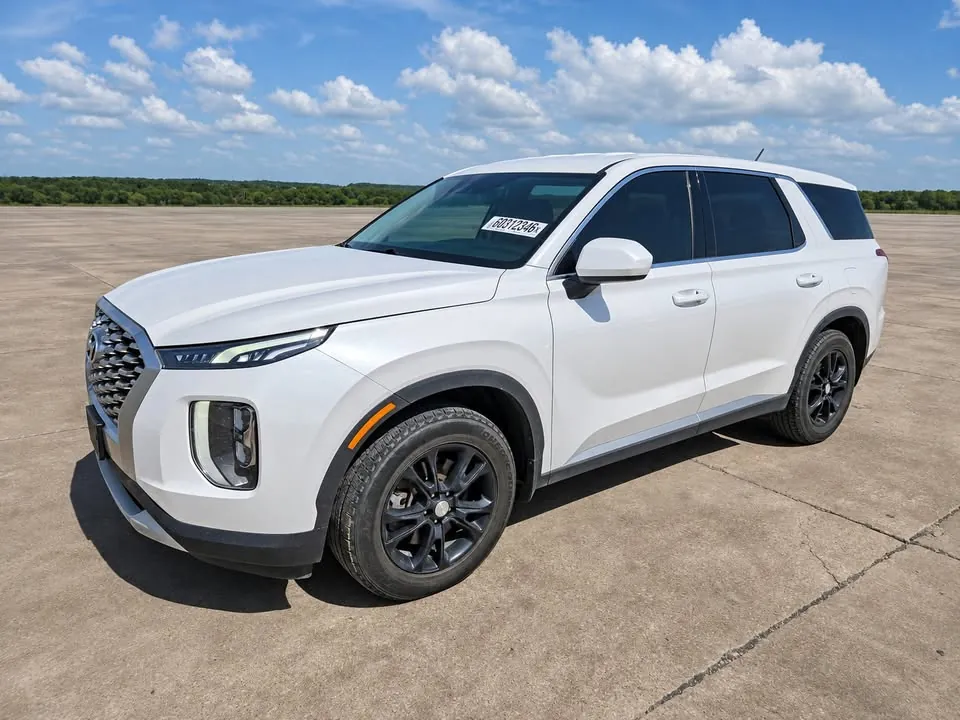
 2021 Hyundai Palisade SE AWD
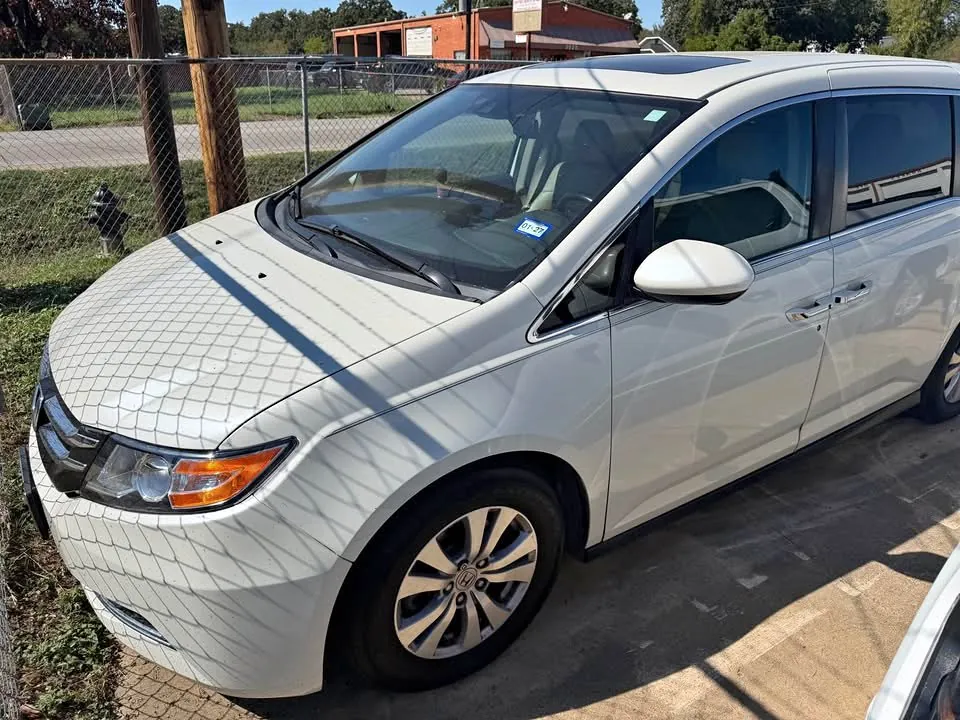 2015 Honda Odyssey EX-L
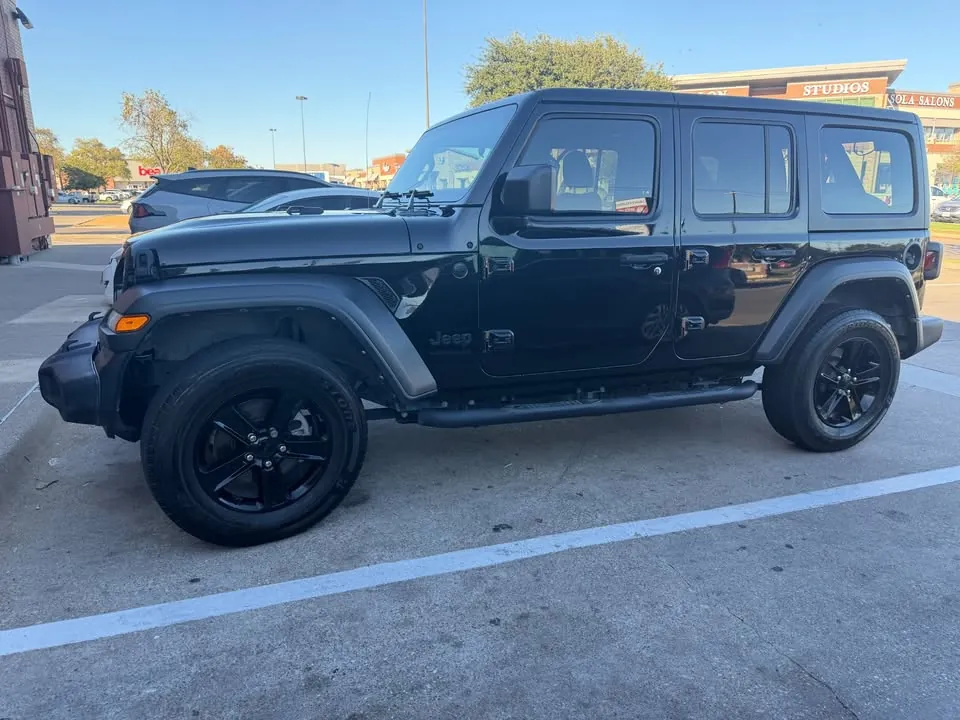 2021 Jeep Wrangler Unlimited
 2010 Honda Accord
Insurance and paperwork · Dallas-Fort Worth
Texas minimum car insurance vs full coverage: what is the difference for a rental?
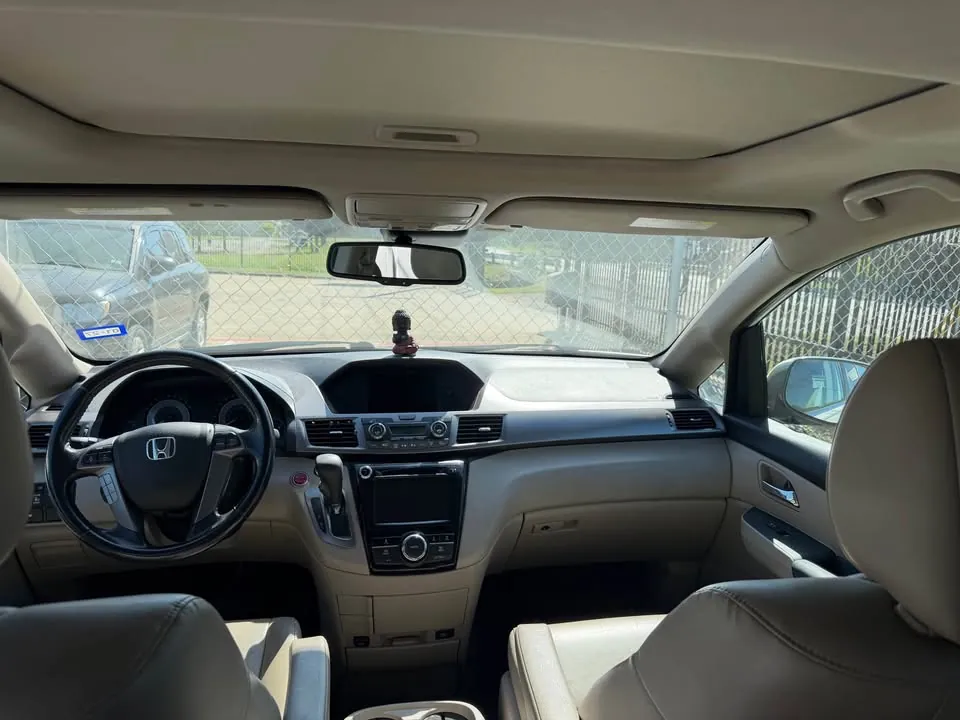
2015 Honda Odyssey EX-L from our rental fleet in Frisco, Texas. Photo: Ace Auto Rentals & Sales.
In short
Texas minimum insurance (30/60/25) is liability only: it pays for damage you cause to others, never for the car you drive. Full coverage adds collision and comprehensive, which pay to repair or replace the car after a crash, theft, hail or flood. A rented car needs full coverage because without it, any damage to the car is yours to pay.
- What is the difference between Texas minimum insurance and full coverage?
- What does the Texas minimum, 30/60/25, actually pay for?
- What does full coverage add on top of liability?
- Who pays in a real DFW situation: minimum or full coverage?
- Why does a rental company ask for full coverage when the law does not?
- Are 30/60/25 limits enough, or should I buy more liability?
What is the difference between Texas minimum insurance and full coverage?
Texas minimum insurance pays for the damage you cause to other people. Full coverage pays for that and also for the car you are driving. The minimum is liability only, at limits of $30,000 per injured person, $60,000 per accident and $25,000 for property damage, often written 30/60/25. "Full coverage" is the everyday name for liability plus collision (damage to your car in a crash) and comprehensive (theft, hail, flood, fire, vandalism).
For a rental, the difference matters more than usual. With minimum coverage, if the car you rent is damaged, no insurance pays to fix it. That is why the owner of the car, whether a bank that financed it or a rental business like ours, asks for full coverage. To rent from us by the month or on a contract, you need full coverage on the car you drive. The rest of this guide shows what each option pays for in situations DFW drivers actually face, so you can talk to your agent with confidence.
What does the Texas minimum, 30/60/25, actually pay for?
Liability insurance, according to the Texas Department of Insurance, pays to repair the other driver's car when you caused the accident, and pays the other driver's and passengers' medical bills and some other expenses. The numbers are caps:
- $30,000 for injuries to any one person.
- $60,000 total for injuries in one accident, however many people are hurt.
- $25,000 for damage to other people's property, such as their car, a fence or a mailbox.
Two things the minimum never does: it never pays for the car you are driving, and it never pays more than those caps. If the damage you cause costs more, the rest can come back to you personally. The state's own guide suggests buying more than the minimum for exactly that reason, since a crash involving a newer car or several injured people can pass those limits.
Liability is the part Texas law requires. Driving without it is a misdemeanor with a fine of $175 to $350 for a first offense and $350 to $1,000 after a prior conviction.
What does full coverage add on top of liability?
Two coverages that protect the car itself:
- Collision pays to repair or replace the car after an accident. That includes a crash you caused, a crash with a pole or a curb, and a crash with a driver who does not have enough insurance.
- Comprehensive pays when the car is stolen or damaged by fire, flood, vandalism or something other than a collision. In North Texas that line about "something other than a collision" is where hail damage usually falls; confirm the wording with your agent.
Both come with a deductible: the part of each claim you pay before the insurer pays the rest. A higher deductible lowers the premium and raises what you pay after a loss. Pick one you could cover from savings this week.
Full coverage policies in Texas also usually include personal injury protection, because every Texas auto policy includes PIP unless you refuse it in writing. More on that below.
Who pays in a real DFW situation: minimum or full coverage?
The table below takes five things that happen to drivers in Dallas-Fort Worth and shows who pays for the damage to the car you are driving, and for the other side, under each option.
| What happens | Minimum liability only | Full coverage |
|---|---|---|
| You rear-end someone on the Dallas North Tollway | Their car and injuries: your insurer up to 30/60/25. Your car: you pay. | Their car and injuries: your insurer up to your limits. Your car: collision, minus your deductible. |
| A hailstorm dents the car in a parking lot | You pay. | Comprehensive, minus your deductible. |
| The car is stolen from an apartment lot | You pay. | Comprehensive, minus your deductible. |
| You slide into a pole on a wet night, no one else involved | You pay for the car and the pole damage goes to liability. | Collision for the car, liability for the pole. |
| A driver with no insurance hits you and leaves | You pay, unless you also have uninsured motorist coverage. | Collision or uninsured motorist coverage, depending on your policy. |
Read down the middle column: every time the car you drive is damaged, minimum coverage leaves the bill with you. On a rented car that bill is for a car you do not own, which is why we require the right column. Exact results always depend on your policy wording, so use the table to frame questions, not as a promise of payment.
Why does a rental company ask for full coverage when the law does not?
For the same reason a lender does. The Texas Department of Insurance notes that if you still owe money on a car, your lender will require collision and comprehensive, because the lender has money in that car. A rental business owns the car outright, and you will drive it every day for months. If it is totaled or stolen, full coverage is what replaces it.
It protects you too. Without collision and comprehensive, damage to a rented car is simply your debt. With them, your share is usually your deductible. That is a far easier number to plan for, especially on a 1, 2 or 3 year contract. Once your agent has quoted it, you can ask about a car for your start date.
Our guide on what insurance you need to rent a car month to month covers how to set this up if you have no policy right now. The full list of what we need, including the $500 refundable deposit, is on the how it works page.
Are 30/60/25 limits enough, or should I buy more liability?
The minimum is legal, but the state itself says it may be too low. Think about it this way: your liability limit is the most your insurer will pay others for one crash you cause. Anything above it can be claimed from you. A few things to weigh:
- What you have to protect. Savings, a home and future wages all sit behind your liability limit.
- Who rides with you. Driving an 8-seat car full of other people's kids to practice is a reason to price higher limits.
- The cost difference. Ask your agent to quote two or three limit levels side by side. Only a real quote tells you what the difference costs.
We do not set your limits for you beyond our full-coverage requirement, and we do not sell insurance. Your agent is the right person to compare options.
What about PIP and uninsured motorist coverage?
These two protect people rather than cars, and both have a Texas twist: you get them unless you say no in writing.
- Personal injury protection (PIP) pays medical bills for you and your passengers, plus costs like lost wages, no matter who caused the crash. All Texas auto policies include it unless you refuse it in writing.
- Uninsured/underinsured motorist (UM/UIM) pays when the other driver has too little insurance or drives off. Insurers must offer it; refusing it also takes a written rejection.
Many people sign those rejections years ago to save money and forget about it. When you call your agent about a rental, ask whether you have PIP and UM/UIM today. If you are new to the state, our guide for drivers new to Texas explains the license side of your move.
How do I check what my policy really covers?
Look at your declarations page, the summary page of your policy. Then:
- Find the liability line. Three numbers like 30/60/25 or higher. Those are your limits.
- Look for collision and comprehensive. Each should show a deductible. If they are missing, you have liability only.
- Check PIP and UM/UIM. If they show "rejected" or are absent, you refused them in writing at some point.
- Check the vehicles and drivers listed. Coverage may follow listed cars and drivers, and a policy can name excluded drivers.
- Call your agent with the rental car's details. Ask how to add or switch the car and what the new premium will be.
- Get the updated card and declarations page. Keep a copy on your phone; Texas accepts proof of insurance shown on a phone.
If you ever do need to use the policy, our guide on what to do after an accident in a rental car in Texas walks through the first hour, and how a refundable deposit works explains what happens to your deposit at the end.
How Ace Auto Rentals helps
We are a family-owned business serving Dallas-Fort Worth since 1987, with our cars in Frisco. To rent you need a valid driver's license, full-coverage insurance, a $500 refundable deposit and the first month's rent. We do not sell insurance, and we will tell you before you sign exactly what proof of coverage we need to see.
Every plan includes maintenance at our own shop, registration and 1,250 miles a month, all plus applicable tax. The longer you stay, the less you pay: the 2021 Hyundai Palisade SE AWD is $900 a month month to month and $525 a month on a 1-year contract. A 2-year contract is $525 then $470, which comes to $11,940 over 24 months. Ask your agent to quote that exact car before you decide, and see what is included in a long-term rental and our plans and requirements for the full picture.
More answers are in our insurance and paperwork guides, or reach us through the contact page or at (917) 539-0421. Ready to compare a quote? Ask about a monthly car and tell us which one your agent should price.
Questions people ask next
Is full coverage required by Texas law?
No. Texas law requires liability coverage at or above 30/60/25. Collision and comprehensive are optional under state law, but the owner of a car can require them. Lenders do when you finance a car, and we do when you rent one of our cars by the month or on a 1, 2 or 3 year contract.
Does full coverage mean everything is covered?
No. Full coverage is an everyday phrase, not a legal term, and the Texas Department of Insurance does not define it. It usually means liability, collision and comprehensive. Each part has limits, deductibles and exclusions written in your policy, so read the declarations page and ask your agent about anything unclear.
What deductible should I choose for a rental car?
Choose an amount you could pay from savings right away if the car were damaged tomorrow. A higher deductible lowers your premium but raises what you pay after each claim. Ask your agent to quote two deductible levels so you can see the real difference in price before you decide.
Does minimum insurance cover hail damage on a rental?
No. Minimum coverage is liability only, so it pays for damage you cause to others. Hail damage to the car you drive is normally a comprehensive claim. Without comprehensive, you would pay for the repair yourself. Confirm with your agent how your policy handles hail and other weather damage.
What happens if I drive with no insurance in Texas?
Driving without the required liability coverage is a misdemeanor in Texas. The fine is $175 to $350 for a first offense and $350 to $1,000 after a prior conviction. You would also be personally responsible for any damage you cause, so keep your policy active and proof of it with you.
Sources and further reading
- Texas Department of Insurance: Auto insurance guide
- Texas Department of Insurance: Auto insurance FAQ
- Texas Transportation Code Sec. 601.072: Minimum coverage amounts
- Texas Transportation Code Sec. 601.191: Operation of motor vehicle in violation of requirement
- Texas Transportation Code Sec. 601.053: Evidence of financial responsibility
 Insurance and paperwork
 Insurance and paperwork
 Insurance and paperwork